


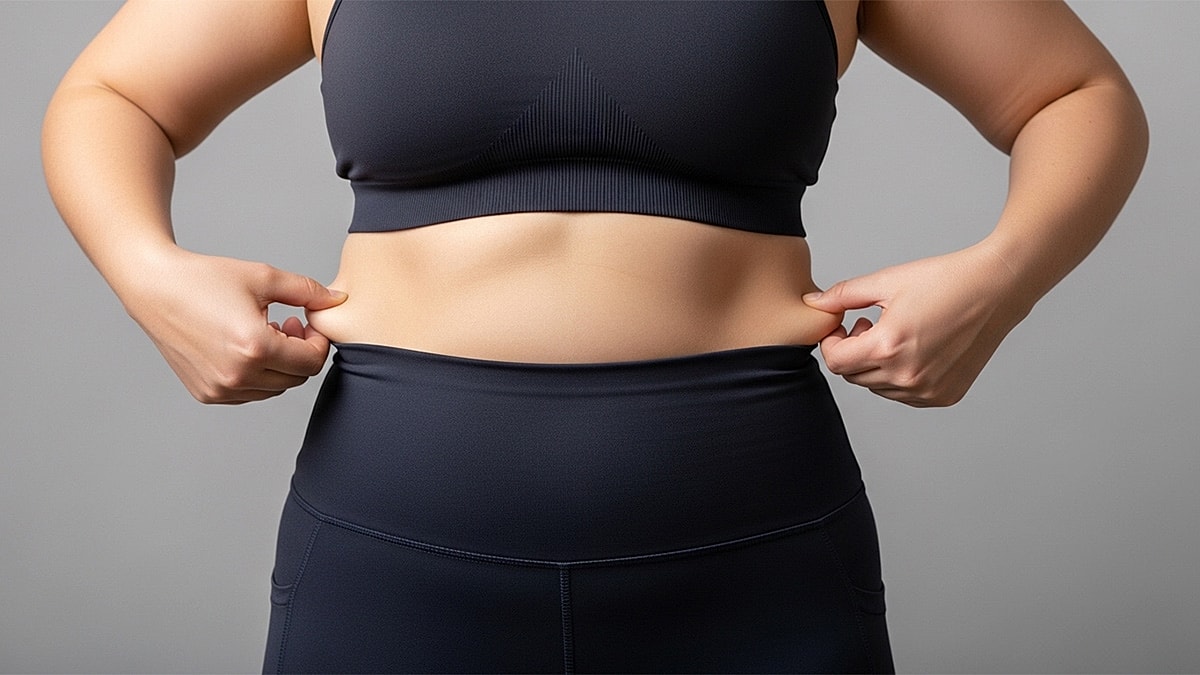
Liposuction is designed to reshape specific areas of the body by removing localized fat deposits. However, it does not stop the body from gaining weight in the future. If you gain weight after lipo, your body can still store additional fat, and the changes may affect how your contours look.
Understanding what happens after post-lipo weight gain can help patients maintain realistic expectations and make healthier long-term choices.
Liposuction Does Not Prevent Future Weight Gain
Lipo permanently removes many fat cells from the treated area, but it does not remove every fat cell from the body. The remaining cells can still become larger when a person gains weight. Fat can also increase in areas that were not treated.
For this reason, liposuction should be viewed as a body-contouring procedure rather than a weight-loss treatment. Maintaining a relatively stable weight is one of the most important factors in preserving the improvement achieved through treatment.
What Happens With a Small Amount of Weight Gain?
A minor change on the scale does not necessarily erase your results. Because the treated region contains fewer fat cells, it may remain more contoured than it was before the procedure.
However, even modest weight gain can make the body appear slightly softer or fuller. The remaining fat cells can expand, potentially reducing some of the definition created by lipo.
Significant Weight Gain Can Change Your Contours
Larger amounts of weight gain are more likely to affect the overall appearance of your body. Fat may become more noticeable in areas that were not treated, while some fullness can also develop in the treated region because fat cells remain there.
This does not mean that removed fat cells simply grow back or migrate somewhere else. Instead, the fat cells that remain in the body can enlarge as overall body fat increases. Significant weight gain may therefore make the original contouring results less noticeable.
Can Fat Return to a Treated Area?
The fat cells physically removed during liposuction do not normally regenerate. However, the treated area is not completely free of fat cells. Those remaining cells can enlarge if body weight increases.
This distinction is important because the phrase “fat comes back” can be misleading. What patients may notice after gaining weight is usually an increase in the size of remaining fat cells rather than the return of the exact cells that were removed.
Weight Stability Helps Protect Your Results
Keeping your weight relatively stable after recovery can help preserve your new proportions. A balanced eating pattern, regular physical activity, adequate hydration, and following your surgeon’s postoperative instructions can all support long-term results.
If you are considering or maintaining results from smart lipo Woodlands, discussing realistic weight-management expectations with a qualified medical professional can help you understand how future changes in your weight may affect your individual contours.
What If You Lose the Gained Weight Again?
If you gain weight and later return toward your previous weight, some of the added fullness may decrease as fat cells become smaller. However, the way your body looks may not return exactly to the same appearance it had immediately after lipo.
Skin elasticity, aging, the amount of weight gained, and the location treated can all influence the final appearance. For substantial changes, a surgeon can evaluate whether lifestyle changes alone are likely to restore the desired contour.
Healthy Habits Matter After Lipo
Lipo can provide long-lasting contour improvements, but maintaining those improvements requires attention to overall health. Regular movement and exercise, nutritious meals, and avoiding substantial fluctuations in body weight can help support the results.
Patients should also remember that normal changes from aging can occur even when weight remains stable. Liposuction cannot prevent the natural changes that happen to skin and body composition over time.
The Bottom Line
Gaining weight after liposuction does not automatically mean that the procedure has failed. The fat cells removed during treatment are permanently removed, but remaining fat cells can enlarge when body weight increases. Small changes may have a limited effect, while substantial weight gain can significantly alter body contours.
For the most predictable long-term outcome, liposuction is best combined with realistic expectations and a sustainable approach to maintaining a stable, healthy weight.
