


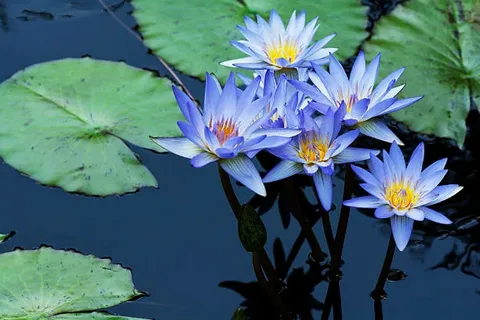
Water lilies are among the most admired aquatic plants for garden ponds and water features. Their elegant flowers, floating leaves, and wide range of colours make them a natural focal point. Whether you are creating a new pond or improving an existing water garden, understanding the different varieties and their needs can help you achieve better results. This guide to Discover Water Lilies: Popular Varieties, Features, and Care Requirements explores their characteristics, popular types, and essential care requirements.
What Makes Water Lilies Special?
Water lilies are aquatic flowering plants that grow with their roots anchored below the water while their leaves spread across the surface. Their flowers can appear in shades such as white, pink, red, yellow, and purple.
Besides adding visual appeal, their leaves can provide shade and shelter for pond wildlife. They also help create a natural transition between the water and surrounding garden landscape.
Popular Types of Water Lilies
Choosing the right water lily starts with understanding the main categories available to gardeners.
Hardy Water Lilies
Hardy water lilies are well suited to many outdoor ponds because they can tolerate seasonal temperature changes. During colder periods, they typically enter dormancy and return to active growth as conditions improve.
They are available in numerous flower colours and sizes, making them versatile choices for different pond designs.
Tropical Water Lilies
Tropical water lilies are appreciated for their vibrant blooms and, in some varieties, attractive fragrance. Their flowers may sit above the water surface, creating an especially dramatic appearance.
These varieties generally prefer warmer temperatures and may need additional protection in cooler climates.
Key Features to Consider
For anyone looking to Discover Water Lilies: Popular Varieties, Features, and Care Requirements, several plant characteristics are worth considering before making a selection.
Flower Colour and Shape
Water lily flowers vary considerably in colour, size, and petal shape. Choosing different colours can help create a coordinated or contrasting pond display.
Leaf Size
Leaves can range from relatively compact to large and spreading. The mature leaf size should be considered in relation to the pond because an overly vigorous variety can cover too much of the water surface.
Growth Habit
Different cultivars have different spreading habits and preferred planting depths. Always check the mature dimensions and depth requirements before planting.
How to Plant Water Lilies
Proper planting helps establish healthy plants. Water lilies are commonly grown in aquatic baskets filled with heavy aquatic soil or suitable loam.
Place the plant according to the recommended depth for its variety. Avoid lightweight potting compost, which can escape from the container and make the pond water cloudy.
Once planted, position the container carefully in the pond and monitor the plant as it becomes established.
Essential Water Lily Care
Water lilies generally require plenty of sunlight for healthy growth and reliable flowering. A sunny pond location is usually preferable to an area with heavy shade.
Maintain Good Water Quality
Remove fallen leaves, faded flowers, and other debris regularly. Keeping organic material under control helps maintain a cleaner pond environment.
Feed During Active Growth
Water lilies may benefit from aquatic plant fertiliser during their active growing period. Use a product intended for pond plants and follow the manufacturer’s instructions.
Avoid excessive fertilisation because surplus nutrients can encourage algae growth.
Control Overcrowding
Mature water lilies can become crowded in their containers. Dividing established plants when appropriate can help control their spread and encourage vigorous new growth.
Common Water Lily Problems
Yellowing leaves, poor flowering, and excessive foliage can indicate unsuitable growing conditions. Insufficient sunlight, incorrect planting depth, overcrowding, or nutrient issues may contribute to these problems.
Regularly inspect leaves for signs of pests or damage. Early attention can help prevent minor issues from becoming more difficult to manage.
Designing a Beautiful Pond Display
Water lilies work well alongside marginal and submerged pond plants. Combining plants with different heights, colours, and textures can create a more dynamic water garden.
Avoid covering the entire pond surface with foliage. Leaving open water allows sunlight to reach the pond and keeps the overall design visually balanced.
Seasonal Considerations
Hardy water lilies generally slow down or become dormant during colder months. Their foliage may decline naturally, so avoid treating seasonal changes as signs of poor health.
Tropical varieties typically require warmer conditions and may need additional protection during cold weather. Understanding the specific variety you grow makes seasonal care easier.
Conclusion
Water lilies combine attractive flowers and distinctive foliage with the ability to enhance the character of garden ponds. By selecting a suitable variety and providing appropriate sunlight, planting depth, nutrients, and maintenance, gardeners can enjoy healthy plants throughout the growing season.
If you want to Discover Water Lilies: Popular Varieties, Features, and Care Requirements, start by considering your pond’s size, climate, water depth, and available sunlight. With thoughtful selection and consistent care, these elegant aquatic plants can become a stunning centerpiece in your water garden.
