


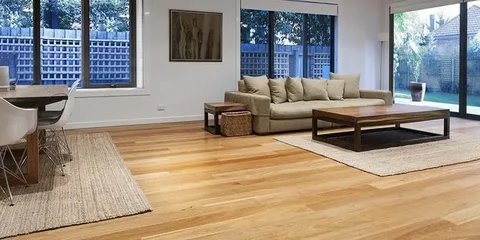
Wood flooring adds warmth, elegance, and value to any home. However, with so many options available, choosing the right type of wood flooring can feel overwhelming. Whether you’re renovating or building a new space, this guide will help you navigate the many choices and select the perfect flooring that suits your style, budget, and lifestyle.
Why Wood Flooring?
Wood floors are timeless and versatile, providing a natural beauty that complements various interior designs. They are durable, can be refinished multiple times, and improve indoor air quality by reducing allergens. With so many wood species, finishes, and plank sizes, there’s a wood floor to match every home.
Types of Wood Flooring
Solid Hardwood Flooring
Solid hardwood is made from a single piece of wood and offers excellent longevity. It can be sanded and refinished multiple times, making it a great long-term investment. Popular species include oak, maple, and cherry.
Engineered Wood Flooring
Engineered wood consists of a veneer layer of real hardwood bonded over layers of plywood. It’s more resistant to moisture and temperature changes, making it ideal for basements or areas with fluctuating humidity.
Bamboo Flooring
Though technically a grass, bamboo is a sustainable and eco-friendly flooring option that mimics the look of hardwood. It’s durable and available in a variety of finishes.
Factors to Consider When Choosing Wood Flooring
Room and Usage
Consider the room where the flooring will be installed. High-traffic areas like hallways and kitchens require more durable wood species or engineered options that withstand wear and moisture better.
Color and Finish
Wood flooring comes in a wide range of colors, from light blonde to deep espresso. The finish also affects the floor’s appearance—matte finishes hide scratches better, while glossy finishes offer a polished look.
Installation Method
Some floors can be nailed down, glued, or floated over existing floors. Engineered wood often offers more flexible installation options compared to solid hardwood.
Budget
Wood flooring varies significantly in price. Solid hardwood tends to be more expensive upfront but can add more resale value, while engineered and bamboo options offer affordable alternatives.
Maintenance Tips for Wood Flooring
Proper maintenance extends the life of your floors. Regular sweeping, using protective pads under furniture, and avoiding excessive water are key practices. Refinishing or resealing can restore the floor’s appearance after years of use.
Conclusion
Choosing wood flooring is an important decision that impacts your home’s look and feel for years to come. This Ultimate Guide to Choosing the Perfect Wood Flooring for Your Home helps you understand the options and make an informed choice tailored to your needs. Whether you prefer the classic appeal of solid hardwood or the practicality of engineered wood, your perfect floor awaits.
